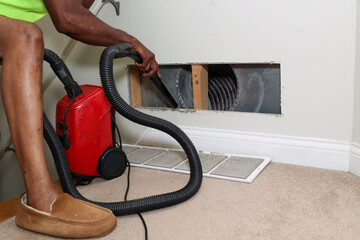
Air Duct Cleaning Utah is an essential maintenance service that helps improve indoor air quality and maintain the efficiency of heating and cooling systems. Over time, dust, debris, allergens, and other contaminants can accumulate inside ductwork, circulating through the air every time the HVAC system runs.
While air ducts are often hidden behind walls and ceilings, their condition directly affects the comfort and health of occupants. Understanding how air duct cleaning works and why it is important can help homeowners and property managers make informed decisions about maintaining their indoor environment.
What Is Air Duct Cleaning
Air duct cleaning involves the removal of dust, dirt, and other contaminants from the ductwork of a heating and cooling system. This includes supply and return air ducts, as well as registers, grilles, diffusers, and sometimes components of the HVAC system itself.
The process typically uses specialized equipment designed to dislodge and extract debris from deep within the ducts. High powered vacuums and brushes are commonly used to ensure that buildup is effectively removed without spreading contaminants into living spaces.
Proper air duct cleaning goes beyond surface dusting and addresses hidden buildup that may have accumulated over years of use.
How Air Ducts Become Contaminated
Air ducts naturally collect particles over time. Every time the HVAC system operates, it pulls in air from living spaces and circulates it throughout the building. Along with air, dust, pet dander, pollen, and other airborne particles enter the duct system.
In homes with pets, smokers, or recent renovations, contamination levels may increase more rapidly. Moisture inside ducts can also contribute to the growth of mold or mildew, especially in humid climates or if there are leaks in the system.
Understanding how contamination occurs highlights the importance of periodic cleaning.
Benefits of Air Duct Cleaning for Indoor Air Quality
One of the primary benefits of air duct cleaning is improved indoor air quality. When ducts are filled with dust and debris, those particles can circulate through the air and settle on surfaces throughout the home.
For individuals with allergies or respiratory conditions, contaminated air ducts may contribute to symptoms such as sneezing, coughing, or irritation. Removing buildup helps reduce the presence of airborne pollutants and creates a cleaner indoor environment.
Cleaner air ducts can also reduce odors caused by trapped particles, leading to fresher indoor air.
Energy Efficiency and HVAC Performance
Air duct cleaning also plays a role in maintaining HVAC system efficiency. When dust and debris accumulate inside ducts, airflow can become restricted. This forces the system to work harder to maintain desired temperatures.
Improved airflow allows heating and cooling systems to operate more efficiently. Reduced strain on the system can lead to lower energy consumption and potentially extend the lifespan of HVAC components.
Maintaining clean ductwork supports both comfort and energy savings.
Signs That Air Duct Cleaning May Be Needed
There are several indicators that air duct cleaning may be beneficial. Visible dust blowing from vents, persistent musty odors, and increased allergy symptoms may signal duct contamination.
If the home has recently undergone renovations, construction debris may have entered the duct system. Similarly, if it has been several years since the last cleaning, accumulation is likely.
Regular inspection of vents and monitoring indoor air quality can help determine when cleaning is appropriate.
The Air Duct Cleaning Process
The air duct cleaning process typically begins with an inspection to assess the condition of the ductwork. Technicians may use cameras to view inside ducts and identify areas of heavy buildup.
Once the system is evaluated, protective measures are taken to prevent debris from entering living spaces. Powerful vacuum systems create negative pressure within the ducts, while brushes and air whips dislodge accumulated dust.
After cleaning, registers and grilles are reinstalled, and the system is tested to ensure proper airflow.
Mold and Moisture Considerations
Moisture inside ductwork can create conditions favorable for mold growth. If mold is present, it may require additional remediation beyond standard cleaning.
Addressing moisture sources is essential to prevent recurrence. Leaks, condensation, or poor insulation may need repair. Simply cleaning the ducts without resolving moisture issues may lead to future problems.
Managing moisture protects indoor air quality and maintains a healthy environment.
How Often Should Air Ducts Be Cleaned
The frequency of air duct cleaning depends on several factors. Homes with pets, high levels of dust, or recent construction may benefit from more frequent cleaning. In general, periodic inspection helps determine the appropriate schedule.
Routine HVAC maintenance, including filter replacement, supports cleaner ducts over time. Monitoring air quality and system performance provides additional guidance.
Establishing a reasonable cleaning schedule supports long term system health.
Common Misconceptions About Air Duct Cleaning
Some homeowners believe that air duct cleaning is unnecessary if vents appear clean. However, much of the buildup occurs deeper within the system and is not visible from the outside.
Others assume that changing air filters alone is sufficient. While filters play an important role, they do not capture all contaminants within the duct network.
Understanding the full scope of duct contamination helps clarify the value of professional cleaning.
Health Benefits for Sensitive Individuals
Air duct cleaning may offer particular benefits for individuals with asthma, allergies, or other respiratory conditions. Reducing airborne particles helps create a more comfortable indoor environment.
Cleaner ducts also minimize the recirculation of irritants that can trigger symptoms. While air duct cleaning is not a cure for respiratory conditions, it contributes to overall indoor air quality improvement.
Creating a healthier home environment supports long term well being.
The Role of Professional Air Duct Cleaning Services
Professional air duct cleaning services use specialized equipment and techniques to ensure thorough results. Attempting to clean ducts without proper tools may only address surface dust and fail to remove deeper buildup.
Experienced technicians understand how to access and clean complex duct systems without causing damage. Professional service ensures that contaminants are safely removed and disposed of.
Choosing professional assistance enhances effectiveness and safety.
Cost Considerations and Long Term Value
The cost of air duct cleaning varies based on system size and contamination level. While it represents an investment, the benefits include improved air quality, energy efficiency, and reduced strain on HVAC systems.
Preventive maintenance can reduce the likelihood of costly repairs associated with clogged or inefficient systems. Viewing air duct cleaning as part of routine home maintenance supports long term value.
Balancing cost with health and efficiency benefits helps homeowners make informed decisions.
Maintaining Clean Air Ducts
Maintaining clean air ducts involves regular HVAC maintenance and filter replacement. Keeping the surrounding environment clean reduces the amount of dust entering the system.
Sealing duct leaks prevents contaminants from entering from unconditioned spaces. Monitoring humidity levels reduces the risk of moisture related issues.
Ongoing care ensures that ducts remain clean between professional cleanings.
Conclusion
Air duct cleaning plays a significant role in maintaining indoor air quality and supporting HVAC system efficiency. Over time, dust, allergens, and debris accumulate within ductwork, affecting airflow and comfort.
Through thorough cleaning, proper maintenance, and attention to moisture control, homeowners can create a healthier and more efficient living environment. Investing in air duct cleaning contributes to improved air quality, reduced energy consumption, and long term system performance, making it an important component of responsible home care.