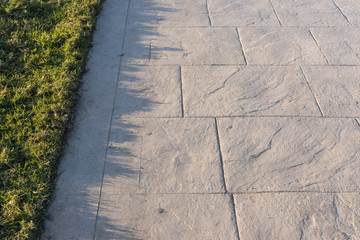
Stamped concrete, also known as textured concrete or patterned concrete, is created when large rubber stamps are pressed into fresh, newly poured concrete. It can mimic the look of many types of materials, including stone, slate, cobblestone, brick and regular paving slabs.
It’s also affordable and easy to maintain when regularly sealed by a professional concrete company. Here are some ways it can transform your outdoor spaces. Visit Concrete Plano TX for more details.
Easy to Maintain
Concrete can be shaped, colored and texturized to resemble a wide variety of other materials, including stone, tile, brick, slate, wood and more. This decorative concrete technique is a popular choice for patios, driveways, sidewalks and pool decks. It can also be used to create a unique look for outdoor kitchens, fire pits and other features.
Staining and sealing are additional ways to enhance the beauty of a stamped or decorative concrete surface. Acid-based and water-based stains can add color to the concrete. For a more durable finish, the concrete can be sealed with commercial-grade sealers like Sealcem WT T or Sealcem DSV. These products offer long-lasting protection against weather, foot traffic and stains.
The best way to maintain the beauty of a decorative or stamped concrete surface is with regular cleaning and maintenance. These surfaces are very easy to clean, especially if they are regularly swept and vacuumed. For heavily soiled areas, spraying the surface with a garden hose or power washer is safe and effective. A light pressure wash can help remove dirt, debris and scuff marks from the surface of the concrete.
If a crack or fissure develops in the concrete, it is important to repair them as soon as possible. Thoroughly cleaning the area, removing any dirt and debris is the first step. Then, a concrete repair putty such as Covercem(r) Stone or Covercem(r) Monocrom in the desired color can be applied to the crack or fissure. After the putty has cured, a coat of clear Sealcem(r) WT T or Sealcem(r) DSV will protect and extend the life of the repaired concrete.
Stamped and decorative concrete is a versatile, cost-effective material that can be used to transform your home or business. Fortis Paving can help you select a design that complements the architecture and landscape of your property. Whether you want the rustic charm of cobblestone, the elegance of slate or the warmth of wood, we have the experience and expertise to help you create a beautiful, functional space. Call us today to discuss your project.
Fire Resistant
Unlike pavers that require grout to keep them in place, stamped concrete bonds with itself, making it more durable and less susceptible to cracking or shifting. It’s also a great choice for homeowners who want to reduce fire hazards around their homes. It’s easy to clean and is heat resistant, so it makes an excellent surface for outdoor kitchens and grilling areas as well as patios.
Concrete is an affordable material when compared to pavers, and it’s much easier to install and maintain. It’s also stronger and more durable than traditional asphalt, making it a smart option for driveways, sidewalks, and patios. With a little regular maintenance, it can last decades and even outlast natural stone or other materials.
When choosing a concrete company, select one with a solid reputation and extensive experience. They should guarantee their work and respond quickly to any issues that may arise. It’s important to find a contractor who pays close attention to detail and uses quality tools. This ensures that the finished product is visually appealing and functionally sound.
With its versatility and customization options, stamped concrete is a popular choice for both residential and commercial projects. Driveways: Enhance curb appeal with patterns that resemble cobblestone or slate. Patios: Create an inviting outdoor living space with textures that mimic flagstone or wood planks. Walkways and Pathways: Guide guests through your property with a polished look that is both functional and stylish. Pool Decks: Provide a luxurious feel with slip resistance for safety and style.
Stamped concrete can be colored using integral pigments, color hardeners, or surface stains. This allows you to achieve a wide range of colors and finishes, from earth tones like browns and tans to rich reds and warm hues. You can also create a two-tone effect or antiqued finish to add depth and visual interest. Once sealed, the concrete protects from moisture, stains, and UV rays, helping it retain its beauty for decades.
If you are looking to transform your home’s exterior, contact Fortis Paving to see how stamped and decorative concrete can enhance your outdoor spaces. We can help you create a custom design that blends the aesthetics of premium materials with the durability and cost-effectiveness of standard concrete. Schedule a consultation with our team today!
Versatile
Decorative concrete, also known as stamped concrete, is an affordable way to achieve the look of premium materials like stone or brick without the associated cost. This popular home trend offers an array of design options for patios, walkways, driveways, and pool decks. Whether you are looking for rustic charm or modern sophistication, Fortis Paving can help you select a pattern and color scheme that compliments your landscape and architectural style.
The versatility of this material is one of its most appealing aspects. The concrete is poured as it normally would be, then stamped with imprints that mimic the appearance of various natural materials. This process leaves behind a durable surface that is built to last. It is a great choice for sidewalks and driveways because it can stand up to the rigor of traffic, weather, and vehicles, and it requires less maintenance than other types of paving materials.
Unlike natural stones and pavers, which must be individually placed to create a specific look, stamped concrete can be applied in a uniform manner to achieve a seamless appearance. It can be poured in large areas to cover expansive surfaces like patios and driveways, making it a cost-effective option for these spaces. Once installed, it can be finished with a layer of sealant to protect the concrete from moisture and UV rays.
New advancements in stamping technology allow for more detailed replications of natural materials. For example, you can choose a texture that emulates ashlar slate, cobblestone, or wood planks. These designs are perfect for patios, walkways, and pool decks, as they offer a timeless elegance that blends with the surrounding nature.
Stamped concrete can also be used to create a unique aesthetic for entrance walkways, highlighting key features of your landscaping. It can also be used to enhance the appearance of a backyard entertainment area by incorporating a stamp that emulates fractured earth or real stone. Moreover, it can be used to improve the look of a commercial space like a courtyard or plaza.
The versatility of this material makes it a popular choice for patios, walkways, driveways, pool decks, and commercial spaces. It is easy to maintain and can be resealed when necessary. Regular cleaning and resealing will keep the concrete protected from moisture, stains, and UV rays, prolonging its beauty.
Affordable
Decorative concrete is less expensive than pavers and offers the same visual appeal, durability, and strength. It can be used for a wide range of outdoor spaces including patios, driveways, pool decks, and walkways. The design options are limitless and only limited by your imagination. With stamped and decorative concrete, homeowners can transform their property into something unique and luxurious.
Unlike pavers, which must be laid and grouted individually, stamped concrete is poured as a single slab. This results in fewer joints, easier snow removal, and a more durable surface overall. In addition, stamped concrete can be colored and sealed to create the appearance of high-end materials like stone, brick, wood, or tile. This process can be done on new or existing concrete.
Resurfacing is a popular way to upgrade existing concrete surfaces without the cost of a full replacement. It is typically applied to areas that are not severely cracked or deteriorated and can be stained, stamped, or polished to resemble tile, stone, or even hardwood. Resurfacing products include low-VOC coatings and water-based stains that are safe for indoor air quality.
Stamped concrete is installed during a new concrete pour by pressing rubber molds into the wet concrete to create the desired pattern. It is then colored with dry shakes, color hardeners, powder or liquid releases, integral colors, or acid stains. The result is a highly customizable and versatile material that can be used as flooring, sidewalks, patios, commercial roads and parking lots, and interior floors.
Over time, decorative concrete can begin to fade and lose its original color. If this happens, it is important to re-color the surface as soon as possible. Re-coloring will help to prevent permanent damage and extend the lifespan of the concrete.
While many people think of concrete as a bland, gray material, it can actually be very visually appealing when it is treated with the right colors and finishes. Decorative concrete is a great way to add value and appeal to your home, and with so many design options available, it can be a perfect fit for any exterior or interior space.